The Thames Freeport Skills Accelerator Programme has completed its pilot phase, marking a meaningful step forward in developing Industry 5.0 ready capabilities at the Port of Tilbury and across the wider Freeport region. 5.0 is how robots and smart machines work alongside people with added resilience and sustainability goals included
Delivered in partnership with the University of Plymouth Business School (PBS), SEATS and the Port of Tilbury, the programme equipped senior leaders and professionals with advanced skills in innovation, sustainability, procurement, logistics and AI.
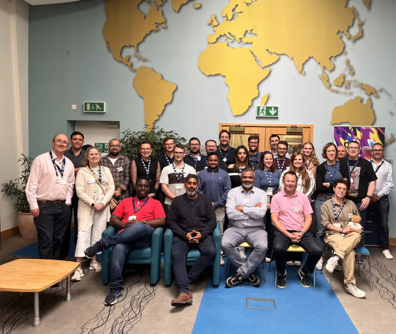
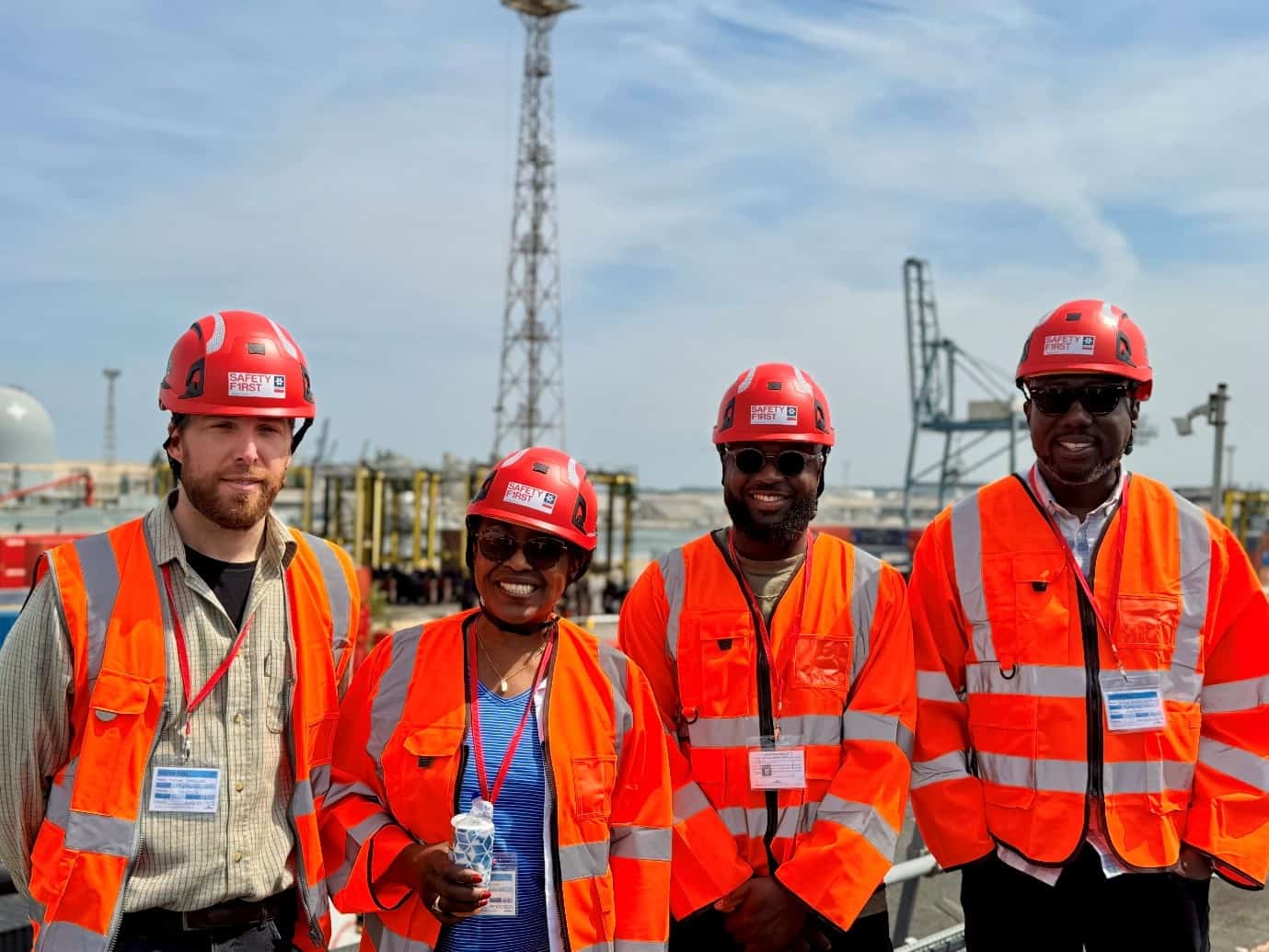
Over several months, participants took part in a series of cross disciplinary workshops designed around the real needs of port based businesses. People joined from logistics, construction, food, advanced manufacturing and supply chain sectors, all aiming to become more agile, more sustainable and better prepared for rapid changes in global trade.
High Impact Training for Real Port Challenges
The programme was delivered by an expert team including Lise Hunter, Chiwuokem Nwoko, George vanDyck, Ben Siu, Stephen Childe, Andrew Morton, Saeyeon Roh, Lijun Tang and Matt Lockett, with support from Chris Bennewith and Ian Roberts.
The training focused on themes shaping the future of port operations.
Green Logistics, Practical AI and Industry 5.0
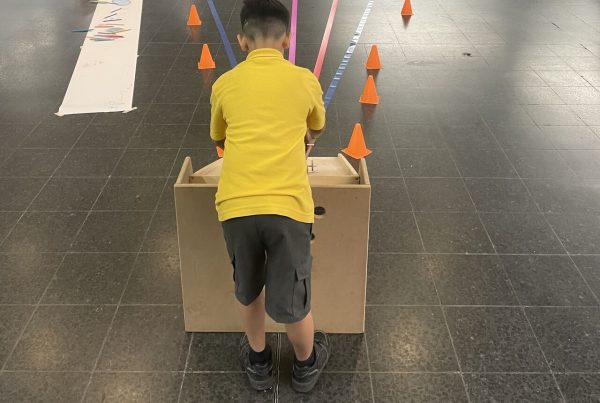
Sessions at the Port of Tilbury and Finishing Line in Basildon explored how digital tools can support greener logistics. Through hands on exercises, participants:
- identified inefficiencies in transport flows
- tested responsible AI approaches to reduce emissions
- explored opportunities to optimise routing
- assessed digital tools that improve energy use
These insights support the sector’s transition towards Net Zero aligned operations.
AI in Port Operations
A dedicated workshop at Tilbury examined global best practice in AI adoption at ports such as Rotterdam and Los Angeles. Participants looked at:
- digital twins for operational planning
- predictive berth scheduling
- emissions monitoring techniques
- AI enabled sustainability dashboards
The session helped leaders translate international examples into realistic options for Tilbury.
Net Zero, Procurement and Better Decision Making
Another key strand focused on procurement and supply chain transformation. Using a bespoke AI supported Sustainable Procurement Tool built on the Kraljic Matrix, ISO 20400 and MCDA, participants:
- assessed real procurement cases
- evaluated supplier sustainability credentials
- tested structured decision making methods
- explored how to embed ESG principles into purchasing
Sessions at Tilbury and South Essex College strengthened practical links to local training partners.
Innovation Workshops and the POCA Model
The programme concluded with two innovation workshops at Tilbury. Senior managers were supported to:
- review their organisation’s innovation maturity
- analyse wider ecosystem dynamics
- map risks and opportunities
- develop strategic options for change
This work led to the creation of the POCA Innovation Model: Planning → Option → Choice → Action, now available for use across port teams. A prototype AI decision support tool was also developed to help with future strategic planning.
Industry Feedback
The pilot has been strongly endorsed by the Port of Tilbury.
David Housden, Head of Engineering and Procurement, said:
“A model of effective academic and industry collaboration, which has strengthened the strategic capability of our team and opened the door to deeper partnership with the University of Plymouth Business School.”
On the innovation workshops, he added:
“They provided a toolbox of frameworks that I will be using on future projects.”
The Impact So Far
The programme marked a clear move away from conventional operational training towards strategic, innovation centred capability building.
Participants gained advanced skills in:
- AI and digital problem solving
- sustainability and Net Zero planning
- data driven decision making
- strategic procurement
- innovation management
They left with practical tools designed for real port settings, including:
- AI supported decision making templates
- Green Corridor planning tools
- Sustainable Procurement Matrices
- Net Zero action models
- supplier sustainability evaluation frameworks
- innovation pathway maps
- prompt engineering techniques
- scenario analysis models
Most importantly, the programme helped create a shift in mindset. Professionals moved from a compliance based view of sustainability towards a more opportunity focused approach, recognising how environmental goals and digital tools can:
- create competitive advantage
- strengthen resilience
- support collaboration across port ecosystems
- accelerate readiness for future trade
- attract investment and talent
These tools, templates and frameworks are already being shared across teams and business clusters, creating lasting impact well beyond the pilot phase.
Laying the Foundation for Future Collaboration
The Skills Accelerator has created strong momentum for ongoing partnership between Thames Freeport, the Port of Tilbury and academia. Work is underway to:
- welcome students for site visits
- explore applied research opportunities
- extend training to additional teams
- strengthen pathways into green, digital and engineering roles
The success of this pilot shows what can be achieved when industry and academia work together on a shared ambition for sustainable, digital and innovation led growth.
Thames Freeport is now well positioned as a national leader in building future ready port ecosystems that compete globally while contributing to environmental responsibility and inclusive innovation locally.