There has been no century in history where technology has thrived more than the one we are currently living in. The landscape of the world has changed dramatically in recent decades, and there is no denying that we are all now heavily reliant on technology. As a result, the way cities look and function has completely transformed. Cities are now home to a diverse range of cultures and nationalities that have brought ideas and collaboration to the forefront of modern society. These 21st-century Cities are redefining how the world operates and communicates with the ease of connecting across the globe at the touch of a button and using technology to our advantage in daily life. 21st Century Cities offer more opportunity than ever before with an ease of navigation, understanding and connection.
What is a 21st Century City?
With the evolution of technology and the concerns of global warming, the concept of a 21st Century City was introduced. Also known as a ‘smart city’, a 21st Century City is one that utilises globalisation by using advanced technology and new sustainability methods to improve urban living as well as the connection and efficiency of communities.
21st Century Cities leverage the latest technology to optimise resources, streamline services and enhance quality of life for residents. By utilising advanced technology such as artificial intelligence and the latest software, 21st Century Cities can implement new processes including the likes of real-time public transportation tracking, traffic management through sensors and energy-efficient buildings powered by renewable energy sources.
These cities also prioritise sustainability through eco-friendly infrastructure and protecting green spaces while actively reducing carbon footprints. The environmental initiatives these smart cities introduce might include solar-powered street lighting, rainwater harvesting systems and waste recycling.
To work efficiently with all this technology, smart cities require reliable and secure digital networks to manage vast data inputs, often partnering with tech companies and constantly working on development. While most of the world’s biggest cities are slowly implementing these smart strategies to transform them into a 21st Century City, cities like Seoul, Singapore, Barcelona and Amsterdam lead the way in smart city innovations. These cities are setting standards for creating adaptive environments that are ready for the future and can respond to rapid urbanisation, environmental challenges and technological advancement.
What Does a 21st Century City Look Like?
Today’s cities have so much appeal with the majority offering the perfect blend of historic and traditional with modern and sophisticated. In a 21st Century City, the modern elements are a major part of the city’s make up.
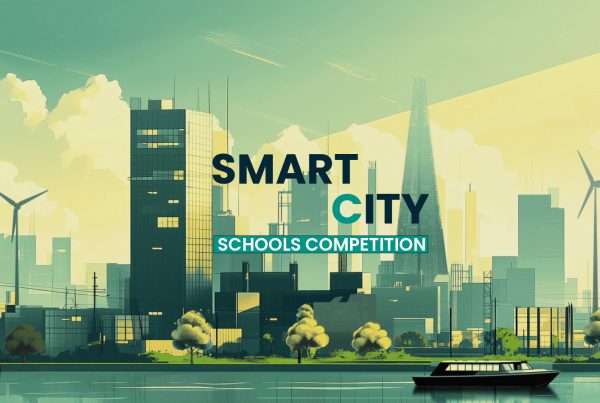
A 21st Century City is a melting pot of advanced technology, sustainable infrastructure and thoughtfully-designed urban planning. These smart cities combine digital innovation with physical environments to create spaces that are efficient, connected and resilient to an ever-evolving world. Streets are equipped with smart sensors and technology that manage everything from traffic flow and lighting to waste disposal and air quality. These systems work in real-time through the use of GPS, 5G, artificial intelligence and other advanced technology to ensure that the city operates efficiently.
When it comes to architecture, a 21st Century City boasts modern design with an emphasis on energy efficiency. They typically use eco-friendly materials and ideas within their construction, incorporating green rooftops, solar panels and rainwater harvesting systems. Skyscrapers, which dominate a city’s skyline, are designed with climate adaptability in mind. To contrast the urbanisation of the city, smart cities also make sure that open green spaces, parks and pedestrian zones remain important in an effort to promote health and wellness in addition to supporting sustainability. In terms of housing, developments are often diverse, including a mix of affordable and high-tech apartments that cater to the local community.
To top it off, 21st Century Cities prioritise inclusivity, ensuring access to high-quality education, healthcare and digital services while also prioritising job opportunities. Cities are often hubs for global trade and the introduction of special economic zones, such as Thames Freeport to the east of London, supports the local communities. They bring thousands of job opportunities to the local area and present opportunities for small businesses to thrive. Meanwhile, urban planning in 21st Century Cities focuses on reducing congestion and pollution, enhancing the quality of life for residents and people working there.
In a nutshell, a 21st Century City looks like a city of the future. On the surface, it is one that showcases modern architecture, digital technology and eco-conscious systems. Underneath all this, the local community thrives with new job opportunities, an abundance of green space and systems that provide ease and quality to life.
What are the Benefits of 21st Century Cities?
21st Century Cities are known as smart cities for a reason, because they aim to improve the life of residents and sustain this into the future. Through sustainable practices and utilising advanced technology, 21st Century Cities can reduce congestion, improve air quality and add other benefits to the economy.
Modern technology is a major advantage for sustainability practices and can support cities in their efforts to become more eco-conscious and reduce their carbon footprint. By increasing the use of electric transportation and using energy generating systems that will reduce the need for fossil fuels, 21st Century Cities are taking massive strides towards sustainability and are accelerating the net-zero transition. Intelligent sensors can also optimise water management and energy consumption which is an additional sustainable advantage.
The Smart city concept has the potential to increase the economic development of global cities by over 5%. This is managed through using more cost-effective and sustainable energy sources, as well as implementing special economic zones that prioritise sustainability while attracting Foreign Direct Investment. Smart cities also support growth for emerging and expanding industries which supports economic expansion in addition to creating jobs.